





What Was Broken
Trades overlapped haphazardly, materials clogged corridors, and procurement chased last‑minute substitutions. Inspections slipped, paint flashed unevenly, and housekeeping inherited dust. Everyone worked hard, but the system produced waiting, rework, and resentment. By listening on a quiet walkthrough, we heard the same story from every role: tools were far away, instructions changed daily, and no one knew the true bottleneck.
What We Changed
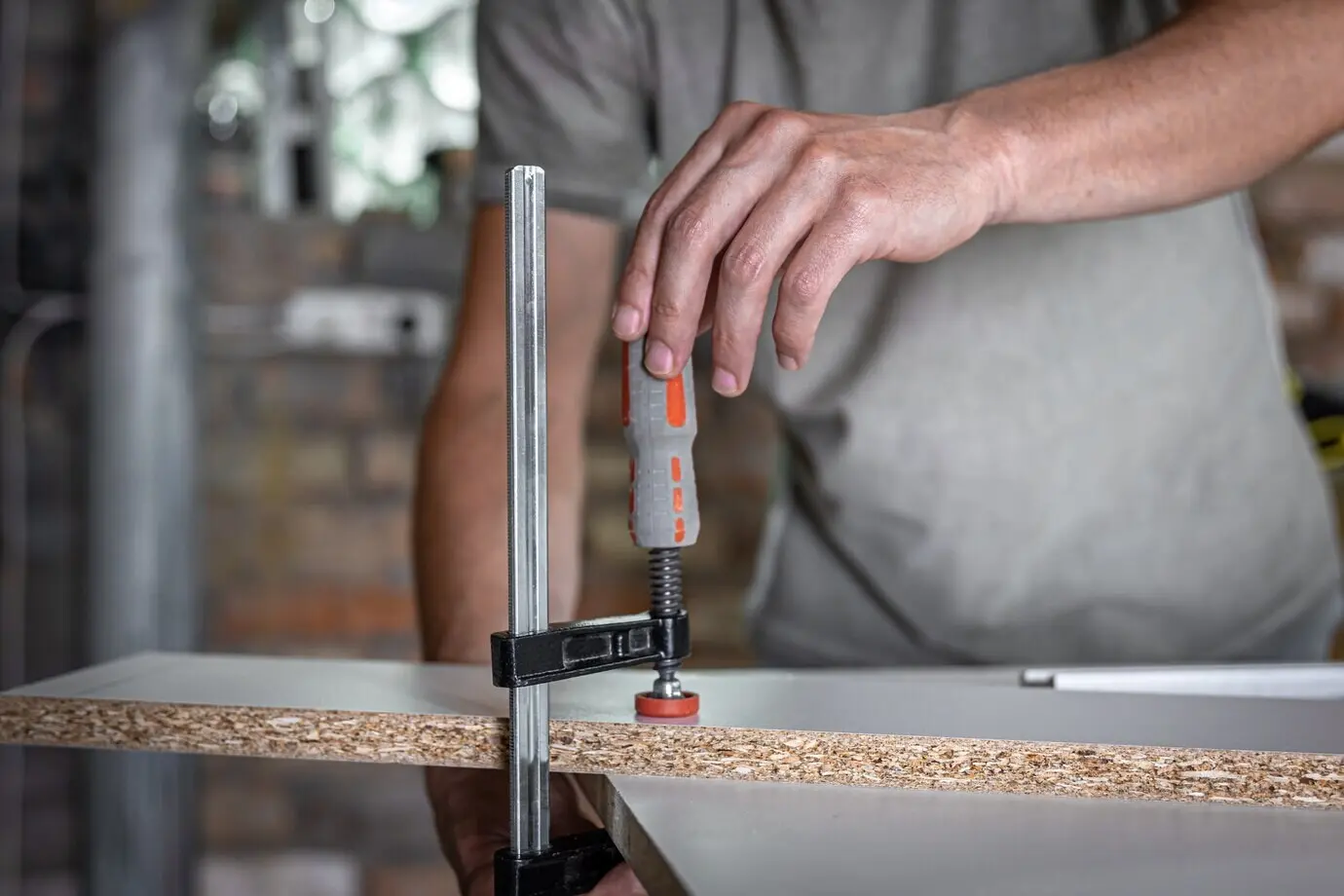
We standardized two room types, pre‑approved finishes, and created visual kits. A ten‑minute stand‑up aligned foremen and staging each morning. Inspectors received a predictable window, and we protected quiet hours. With simple kanban tags and a rolling 48‑hour look‑ahead, crews flowed. The result was fewer interruptions, faster approvals, and measurable gains in both safety and guest satisfaction metrics.
What Stuck Afterwards
The team kept the kits, the cadence, and the daily board. New hires learned faster because standards were visible, not verbal. Procurement gained leverage with consolidated orders. Leadership saw consistent cycle times and expanded the approach to corridors and lobbies. Most importantly, pride returned: people could finish on time, sleep at home, and show guests rooms that felt freshly crafted, not hastily patched.